
Understanding Dental Veneers
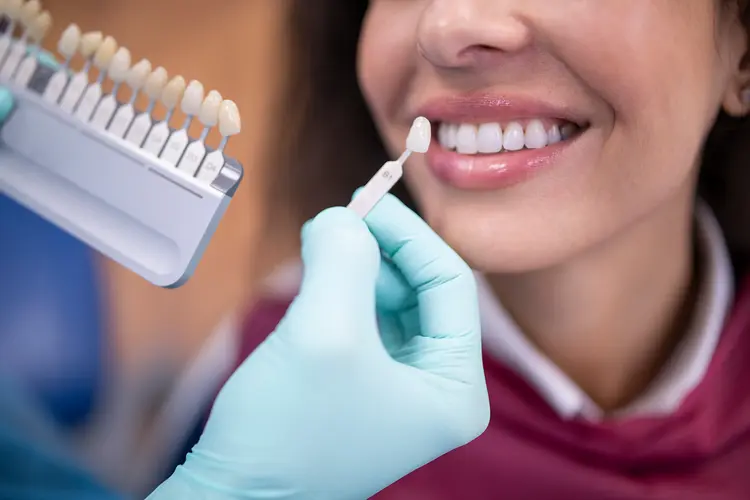
Dental Veneers for Missing Teeth: Dental veneers are ultra-thin shells designed to cover the front surface of teeth, instantly improving appearance, shape, and color. Think of them like a tailored jacket for your teeth—custom-made, snug, and designed to impress. When people hear about veneers, they often associate them with Hollywood smiles, but there’s more beneath the surface. Veneers are primarily cosmetic, yet they can play a functional role in certain dental situations. However, when missing teeth enter the conversation, things get interesting. Veneers don’t technically replace teeth, but in very specific cases, they can visually mask small gaps. Understanding what veneers are and what they aren’t is the first step toward making a smart, confident decision about your smile.
What Are Dental Veneers Made Of?
Dental Veneers for Missing Teeth: Dental veneers are commonly made from porcelain or composite resin, both engineered to mimic the natural look of tooth enamel. Porcelain veneers are the gold standard, offering durability, stain resistance, and a lifelike translucency that blends seamlessly with natural teeth. Composite veneers, on the other hand, are more affordable and can often be applied in a single visit, though they may not last as long. Imagine porcelain as fine china and composite as sturdy ceramic—both useful, but built for different expectations. The material choice matters even more when veneers are considered for covering spaces caused by missing teeth, because strength and aesthetics must work together flawlessly.
Can Dental Veneers Replace Missing Teeth?
Here’s the honest truth: dental veneers cannot replace a completely missing tooth. A veneer needs an existing tooth structure to bond to, much like wallpaper needs a wall. However, veneers can sometimes be used to disguise small gaps caused by congenitally missing teeth or extra spacing. In these cases, veneers are placed on adjacent teeth and slightly widened to close the gap visually. This approach works best when the missing tooth space is minimal and bite alignment is stable. It’s a cosmetic illusion rather than a structural replacement, but when done right, the result can be surprisingly natural and confidence-boosting.
When Veneers Are an Option
Dental Veneers for Missing Teeth: Veneers become a viable option when the missing tooth gap is small and evenly distributed across the smile. For example, if lateral incisors never developed and orthodontic treatment has already closed most of the space, veneers can fine-tune proportions. Dentists carefully reshape nearby teeth to create symmetry, ensuring the smile doesn’t look bulky or artificial. This solution is often chosen by patients who want a fast, non-surgical improvement. It’s like adjusting the frame around a painting rather than replacing the artwork itself. The key is proper case selection, guided by an experienced cosmetic dentist.
When Veneers Are Not Enough
Dental Veneers for Missing Teeth: There are situations where veneers simply won’t cut it, and pretending otherwise would be misleading. Large gaps, multiple missing teeth, or areas under heavy chewing pressure require structural solutions like implants or bridges. Veneers lack the strength to withstand these forces alone. Using veneers in such cases can lead to fractures, bite issues, or uneven wear. It’s similar to using a decorative fence to support a building—it looks nice but won’t hold weight. Understanding these limitations protects your oral health and your investment, ensuring that cosmetic goals never compromise function.
Dental Veneers vs Dental Implants
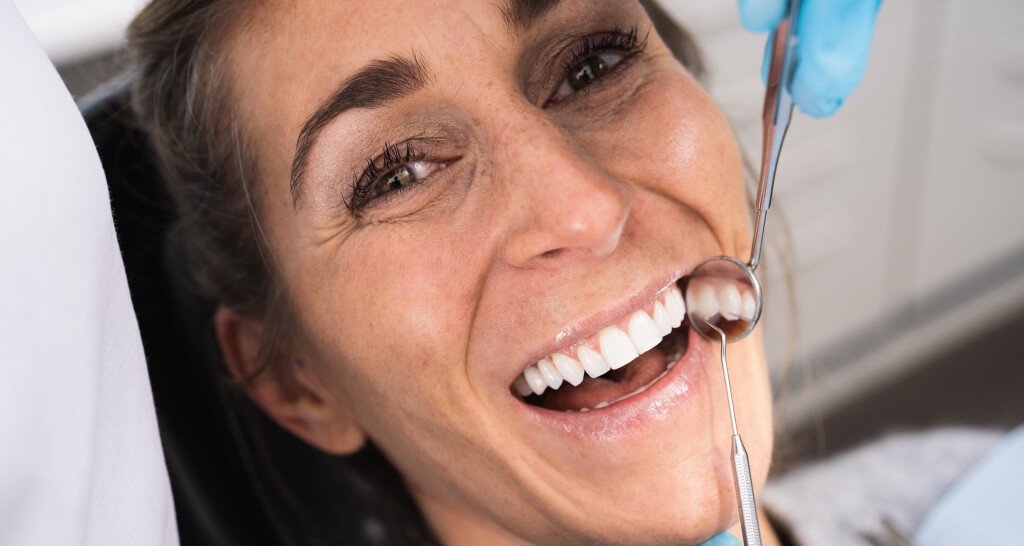
Dental implants are the closest thing to a natural tooth replacement, anchoring directly into the jawbone and supporting a crown. Veneers, by contrast, only enhance what’s already there. When comparing the two, it’s like choosing between building a new pillar or polishing an existing one. Implants restore chewing ability, prevent bone loss, and last decades with proper care. Veneers shine in aesthetics and speed but fall short structurally. For missing teeth, implants are often the superior long-term solution, while veneers may serve as a cosmetic complement rather than a substitute.
Dental Veneers vs Dental Bridges
Dental Veneers for Missing Teeth: Dental bridges replace missing teeth by anchoring an artificial tooth between two natural ones. Veneers are far less invasive but also less comprehensive. Bridges require reshaping adjacent teeth, while veneers preserve more natural structure. However, bridges offer strength and stability that veneers can’t provide in missing tooth scenarios. Think of bridges as a sturdy bridge over a river and veneers as a painted pathway that suggests continuity. Each has its place, but bridges are typically recommended when function is as important as appearance, especially for back teeth or larger gaps.
Benefits of Dental Veneers for Missing Teeth
When used appropriately, veneers offer impressive benefits for small gaps related to missing teeth. They deliver instant aesthetic improvement, boost confidence, and require minimal recovery time. Veneers can correct shape, size, and color simultaneously, creating a balanced, harmonious smile. Patients love the predictability and speed of results, often walking out with a transformed look in just a few visits. While they don’t restore biting strength in missing tooth cases, their cosmetic power is undeniable. For the right candidate, veneers can be a simple, elegant solution that feels like a smile makeover without the heavy dental work.
Limitations and Risks of Veneers for Missing Teeth
Dental Veneers for Missing Teeth: Despite their appeal, veneers come with limitations that shouldn’t be ignored. They rely on existing teeth, meaning no tooth equals no veneer. Overextending veneers to close large gaps can lead to unnatural proportions and bite problems. There’s also the irreversible nature of enamel removal to consider. Once done, there’s no going back. Veneers can chip or debond under excessive pressure, especially if used to compensate for missing teeth incorrectly. Understanding these risks is like reading the fine print before signing a contract—it protects you from disappointment and unnecessary complications.
The Dental Veneer Procedure Explained
The veneer process typically unfolds over two to three visits. First comes consultation and digital planning, where your dentist designs the smile and evaluates whether veneers can address your missing tooth concerns. Next is tooth preparation, involving minimal reshaping of enamel. Impressions are taken, and temporary veneers may be placed. Finally, the custom veneers are bonded, adjusted, and polished. The transformation can feel dramatic, almost like flipping a switch on your smile. While the procedure is straightforward, precision is everything, especially when veneers are used to visually compensate for missing teeth.
Cost of Dental Veneers for Missing Teeth
The cost of dental veneers varies widely depending on material, dentist expertise, and geographic location. Porcelain veneers typically cost more but last longer and look more natural. When veneers are used to address gaps from missing teeth, additional planning and cosmetic design may increase costs. Insurance usually doesn’t cover veneers since they’re considered cosmetic. Think of it as investing in a custom suit—it’s not cheap, but the fit and confidence can be worth it. Understanding the financial aspect upfront helps set realistic expectations and avoids surprises.
Caring for Dental Veneers Long Term
Dental Veneers for Missing Teeth: Maintaining veneers is refreshingly simple but absolutely essential. Daily brushing, flossing, and regular dental checkups keep veneers looking great and functioning well. Avoid using your teeth as tools, and be cautious with hard foods if veneers are compensating for gaps. Night guards may be recommended for grinders. Veneers don’t decay, but the teeth underneath still can, so oral hygiene remains critical. Treat veneers like luxury car paint—durable, beautiful, but deserving of care. With proper maintenance, veneers can last well over a decade.
Who Is the Ideal Candidate for Dental Veneers?
The best candidates for veneers have healthy gums, sufficient enamel, and realistic expectations. When missing teeth are involved, ideal candidates usually have small gaps and stable bite alignment. Non-smokers or those willing to quit fare better long term, as staining and gum issues can compromise results. A thorough dental evaluation determines suitability. Veneers aren’t about perfection; they’re about enhancement. When expectations align with reality, veneers can feel like a natural extension of your smile rather than an artificial add-on.
Conclusion: Are Dental Veneers Right for Missing Teeth?
Dental veneers for missing teeth are a nuanced solution, blending art and dentistry in very specific cases. While they can’t replace a tooth outright, they can cleverly disguise small gaps and elevate smile aesthetics when conditions are right. The decision hinges on gap size, oral health, and long-term goals. Veneers shine brightest as part of a broader treatment plan rather than a standalone fix for missing teeth. With expert guidance and clear expectations, veneers can play a meaningful role in restoring confidence and creating a smile that feels complete again.