
Understanding Molar Teeth and Why They Matter
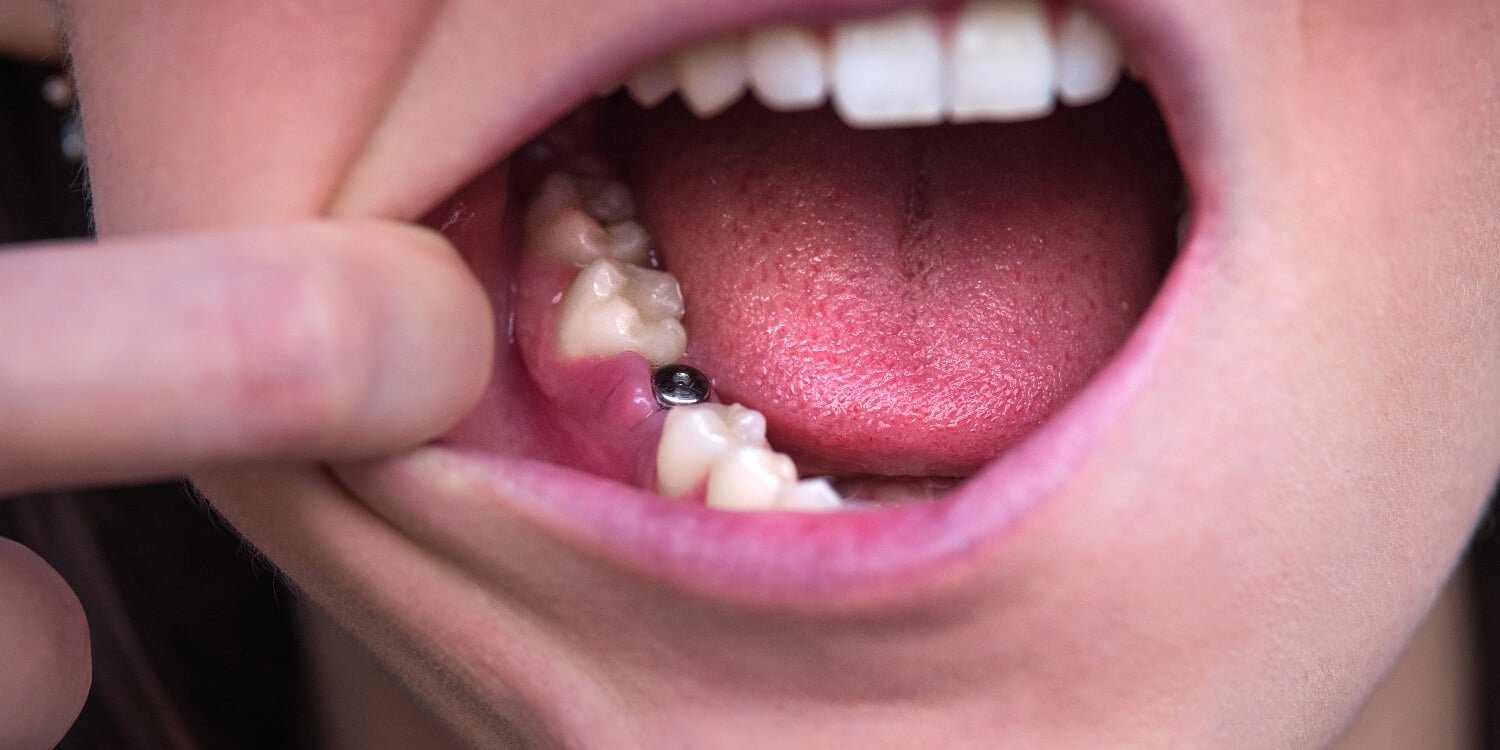
Molar Teeth Implant: Molar teeth are the real workhorses of your mouth, quietly doing the heavy lifting every time you chew. Sitting at the back of your jaw, these broad, flat teeth grind food into digestible pieces, acting like a mortar and pestle in a kitchen. Without them, eating becomes inefficient and uncomfortable, and your entire bite can feel off balance. Losing a molar might not be immediately visible when you smile, but its absence can ripple through your oral health. Over time, missing molars can cause neighboring teeth to shift, strain your jaw joints, and even change the shape of your face. That’s why replacing a missing molar isn’t just about filling a gap—it’s about restoring stability, comfort, and function to your entire mouth.
What Is a Molar Teeth Implant?
A molar teeth implant is a permanent tooth replacement designed specifically to handle the intense pressure created during chewing. It consists of a titanium post surgically placed into the jawbone, acting like an artificial tooth root, topped with a custom-made crown that looks and feels like a natural molar. Unlike temporary solutions, implants fuse directly with the bone through a process called osseointegration, creating a stable foundation. Think of it like anchoring a fence post deep into the ground instead of just leaning it against the soil. Because molars endure the strongest biting forces, implants are often the most reliable and durable option for replacing them, offering strength that closely mimics a real tooth.
Why Molar Teeth Are Commonly Lost
Molars are often the first teeth to be lost, and it’s not by accident. Their location at the back of the mouth makes them harder to clean properly, allowing plaque and bacteria to hide in grooves and crevices. Over time, this can lead to severe decay or gum disease that weakens the tooth beyond repair. Add habits like teeth grinding, chewing ice, or untreated cavities, and molars take a beating. Injuries and trauma, such as sports accidents or falls, also play a role. Since molars absorb most of the chewing force, they’re under constant stress, making them more vulnerable to fractures and damage compared to front teeth.
Signs You May Need a Molar Teeth Implant
Missing a molar doesn’t always scream for attention, but your body usually sends subtle signals. You might notice difficulty chewing certain foods, especially tougher or crunchier ones. Food may get trapped in the gap, causing irritation or bad breath. Over time, you may feel jaw discomfort or headaches due to uneven bite pressure. Some people even experience shifting teeth or increased sensitivity in surrounding areas. If chewing feels awkward or your bite seems off, it’s like driving a car with one tire missing—technically possible, but uncomfortable and damaging in the long run. These signs often point toward the need for a stable solution like a molar teeth implant.
Benefits of Choosing a Molar Teeth Implant
Choosing a molar teeth implant comes with benefits that go far beyond appearance. First, it restores full chewing power, allowing you to enjoy your favorite foods without hesitation. Unlike dentures or bridges, implants don’t rely on neighboring teeth for support, preserving their natural structure. They also prevent bone loss by stimulating the jawbone, which keeps your facial shape intact. From a long-term perspective, implants are incredibly durable and can last decades with proper care. They feel natural, function like real teeth, and eliminate the daily inconveniences of removable options. In short, they give you your bite back—strong, stable, and worry-free.
Types of Molar Teeth Implants
Not all molar implant solutions are the same, and the right option depends on how many teeth are missing and your oral condition. A single-tooth molar implant replaces one missing molar with an individual implant and crown, offering maximum strength and independence. In cases where multiple molars are missing in a row, implant-supported bridges may be recommended. These use fewer implants to support several crowns, balancing stability and cost-effectiveness. Both options are designed to withstand heavy chewing forces, ensuring comfort and durability. Your dentist evaluates bone density, spacing, and bite alignment to determine which approach fits your mouth like a glove.
The Molar Teeth Implant Procedure Step by Step
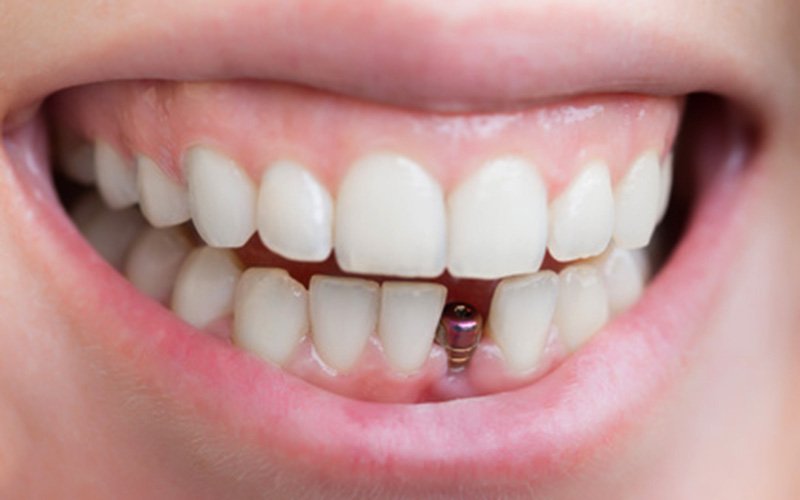
The journey to a molar teeth implant happens in stages, each one carefully planned. It begins with a consultation that includes X-rays or 3D scans to assess bone health and placement accuracy. Next comes the surgical placement of the implant into the jawbone under local anesthesia, ensuring comfort throughout the procedure. After placement, a healing period allows the implant to fuse with the bone—a process that can take a few months but is crucial for long-term success. Once healing is complete, a custom crown is attached, restoring the tooth’s shape, strength, and function. The result feels surprisingly natural, like the tooth was always there.
Pain, Comfort, and Recovery Expectations
One of the biggest concerns people have is pain, but the reality is often far less intimidating. During the procedure, anesthesia keeps discomfort to a minimum, and many patients compare the experience to a routine tooth extraction. After surgery, mild swelling or soreness is normal and manageable with prescribed or over-the-counter medication. Most people return to daily activities within a day or two. The key is following aftercare instructions, such as avoiding hard foods and maintaining good oral hygiene. Recovery is more of a gradual adjustment than a painful ordeal, and the long-term comfort far outweighs the short-term inconvenience.
Cost of Molar Teeth Implants
The cost of a molar teeth implant can vary depending on several factors, including the number of implants, bone grafting needs, and crown materials. While implants may seem expensive upfront, they often prove more cost-effective over time. Unlike bridges or dentures that may need replacement or adjustment, implants are built to last. Think of it as investing in a solid foundation rather than patching a recurring problem. Many dental clinics offer financing options to make treatment accessible. When you consider durability, comfort, and oral health benefits, implants are often worth every penny.
Risks and Possible Complications
Like any medical procedure, molar teeth implants carry some risks, though complications are relatively rare. Potential issues include infection, implant failure, or nerve irritation. Most risks are minimized through proper planning, experienced dental care, and good oral hygiene. Smoking, uncontrolled diabetes, and poor bone quality can increase complication chances. The good news is that modern implant dentistry boasts high success rates, especially when patients follow aftercare guidelines. Regular dental checkups help catch any issues early, ensuring your implant stays secure and functional for years to come.
How Long Do Molar Teeth Implants Last?
Molar teeth implants are designed for longevity, often lasting 20 years or more with proper care. The titanium implant itself can last a lifetime, while the crown may need replacement after many years due to normal wear. Daily brushing, flossing, and regular dental visits play a huge role in extending implant life. Avoiding habits like teeth grinding or chewing hard objects also helps. When cared for properly, a molar implant becomes a permanent part of your mouth, offering stability and reliability that few other dental solutions can match.
Molar Teeth Implants vs Other Options
Compared to dental bridges and removable partial dentures, molar teeth implants stand out for their strength and independence. Bridges require grinding down healthy adjacent teeth, while dentures can shift or feel uncomfortable during eating. Implants, on the other hand, stand alone and feel more natural. They also prevent bone loss, which other options cannot do. While each solution has its place, implants often provide the most complete and long-lasting restoration, especially for molars that endure heavy chewing forces daily.
Who Is a Good Candidate for a Molar Teeth Implant?
Most healthy adults with sufficient jawbone density and good gum health are suitable candidates for molar teeth implants. Age is rarely a limiting factor; lifestyle and health matter more. Non-smokers or those willing to quit during healing see better outcomes. Even patients with bone loss may qualify with bone grafting. A thorough dental evaluation helps determine readiness, ensuring the implant has a strong, stable foundation. With advances in dental technology, more people than ever can benefit from this treatment.
Caring for Your Molar Teeth Implant
Caring for a molar teeth implant is surprisingly simple and mirrors natural tooth care. Brush twice daily, floss carefully around the implant, and use antibacterial mouthwash if recommended. Regular dental checkups allow professionals to monitor implant health and clean hard-to-reach areas. Avoid using your teeth as tools and protect them during sports. With consistent care, your implant will stay strong, functional, and comfortable, blending seamlessly into your everyday routine.
Psychological and Lifestyle Benefits of Molar Implants
Beyond physical benefits, molar teeth implants offer a major confidence boost. Eating becomes enjoyable again, without fear of discomfort or embarrassment. Speaking feels natural, and social situations no longer come with self-conscious worries. Knowing your smile is complete and functional brings peace of mind. It’s like restoring a missing puzzle piece—everything just fits better. These lifestyle improvements often make implants one of the most rewarding dental treatments people choose.
Conclusion
A molar teeth implant is more than a tooth replacement; it’s a long-term solution that restores strength, balance, and comfort to your mouth. By mimicking the structure of a natural tooth, it protects your jawbone, improves chewing efficiency, and supports overall oral health. While the process requires time and investment, the payoff is a stable, natural-feeling tooth that blends seamlessly into your life. For anyone dealing with a missing molar, implants offer a reliable path back to confident eating, speaking, and smiling.